Vertical Integration Protects Your Construction Budget

Shifting the Risk: How Vertical Integration Protects Your Construction Budget In traditional construction, a project owner acts like a conductor juggling an uncooperative orchestra. You hire an architect to draw the vision, a general contractor to build it, third-party sub-contractors to execute specific trades, equipment rental companies to supply the machinery, and independent quarries to deliver the raw aggregate.

When a delay occurs, the finger-pointing begins. The contractor blames the architect for a design conflict; the architect blames the supplier for material shortages; the supplier blames the logistics provider. Meanwhile, your project stalls, and the daily overhead eats away at your capital.

There is a better approach: Vertical Integration. By consolidating design, heavy machinery fleets, raw material sourcing, and civil execution under a single corporate umbrella, the traditional risks of construction are completely re-engineered.

Here is how a vertically integrated model shifts risk away from your budget and ensures financial stability from blueprint to handover.
 

1. Absolute Immunity from Inflation (Material Rate-Locks)

In a fractured supply chain, you are highly vulnerable to volatile market prices for raw materials. If cement, steel, or stone cladding prices spike mid-project, a traditional contractor will pass those expenses onto you via change orders or halt work entirely.

Because a vertically integrated firm owns or directly controls its own material supply streams and aggregate processing yards, it operates independently of market brokers. This structural autonomy allows the firm to offer ironclad, milestone-linked proposals with fixed material rates, shielding your capital from sudden inflation.

2. Eradicating Machinery Scarcity and Rental markups

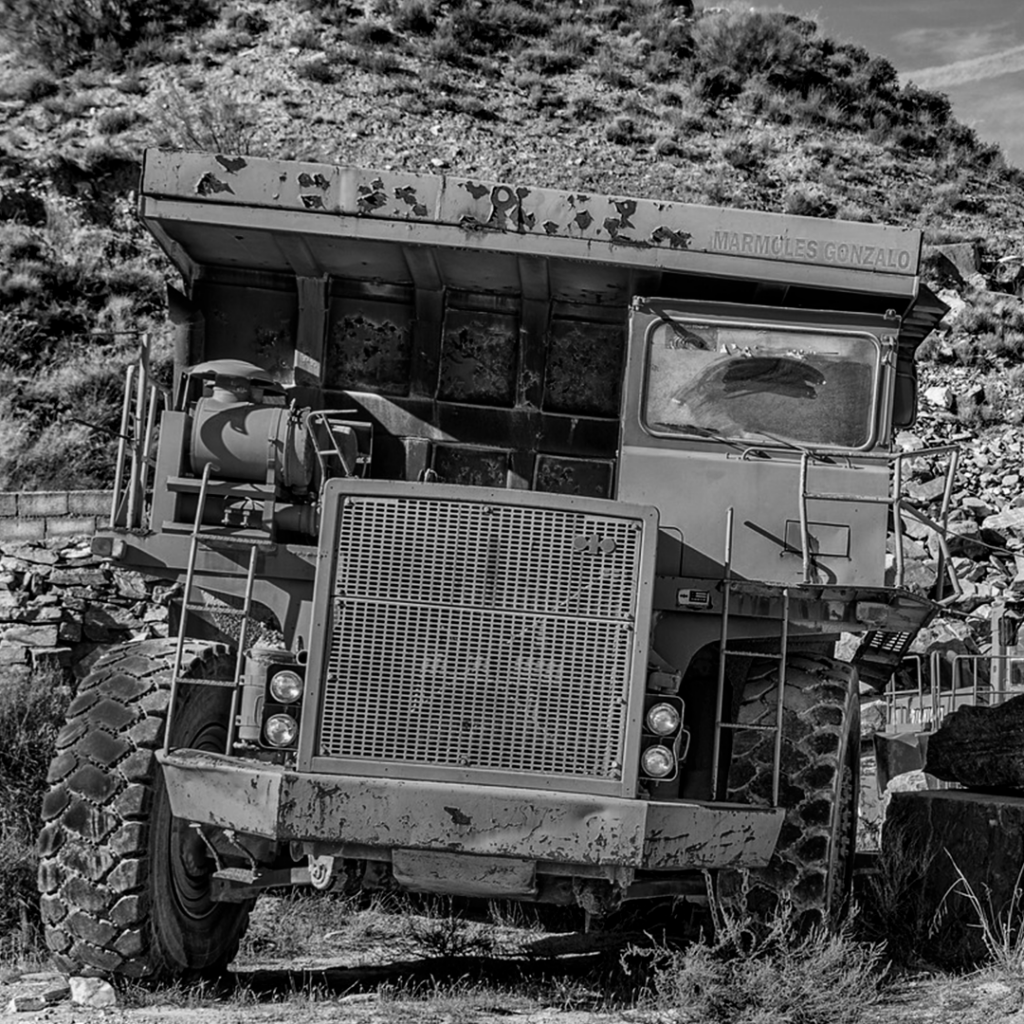
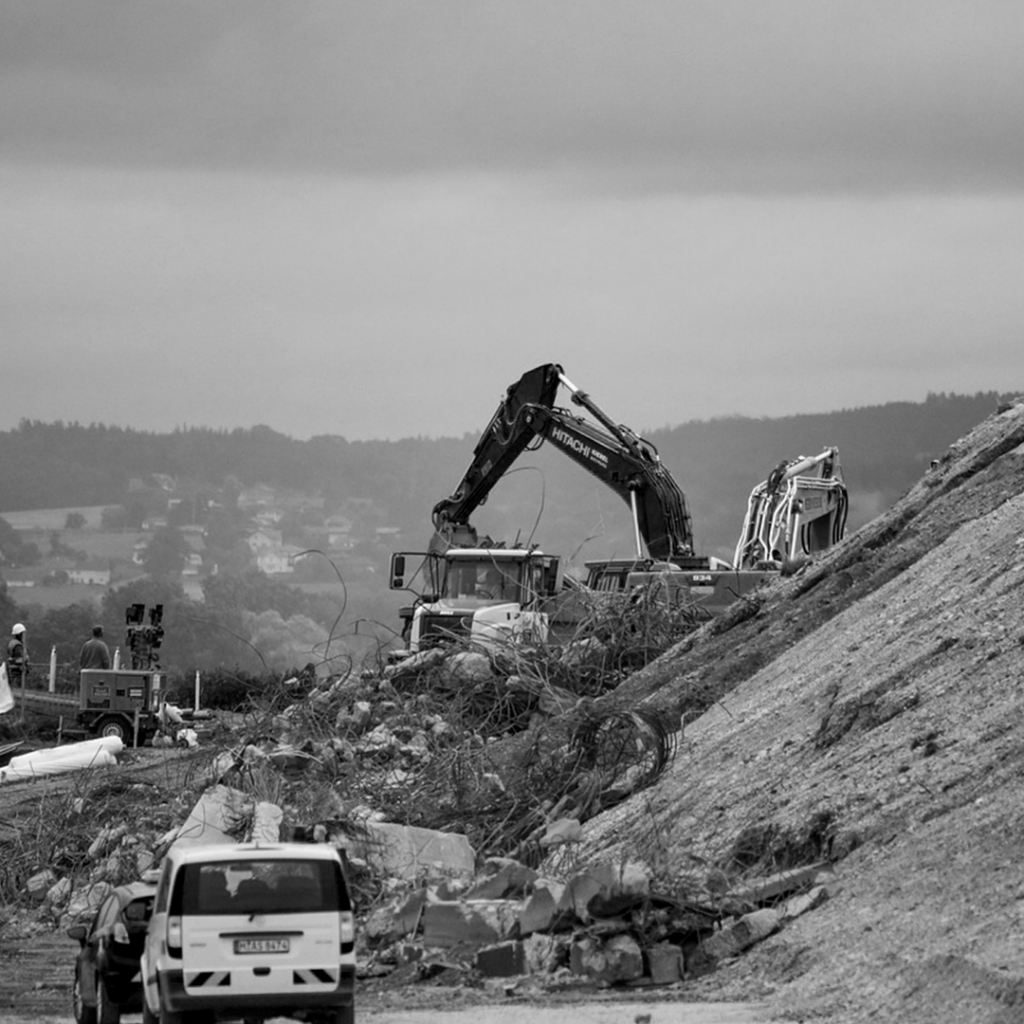
Heavy earthmoving machinery—excavators, dozers, and tippers—is the lifeblood of any major site development or hillside grading project. Traditional builders rely on external equipment leasing brokers, making them vulnerable to two critical risks:

  • Availability Backlogs: If a regional mining expansion or infrastructure project ties up local machinery fleets, your job site sits idle while you continue to pay for idle labor.

  • Compounded Lease Costs: Third-party rental markups inflate the baseline mobilization budget.

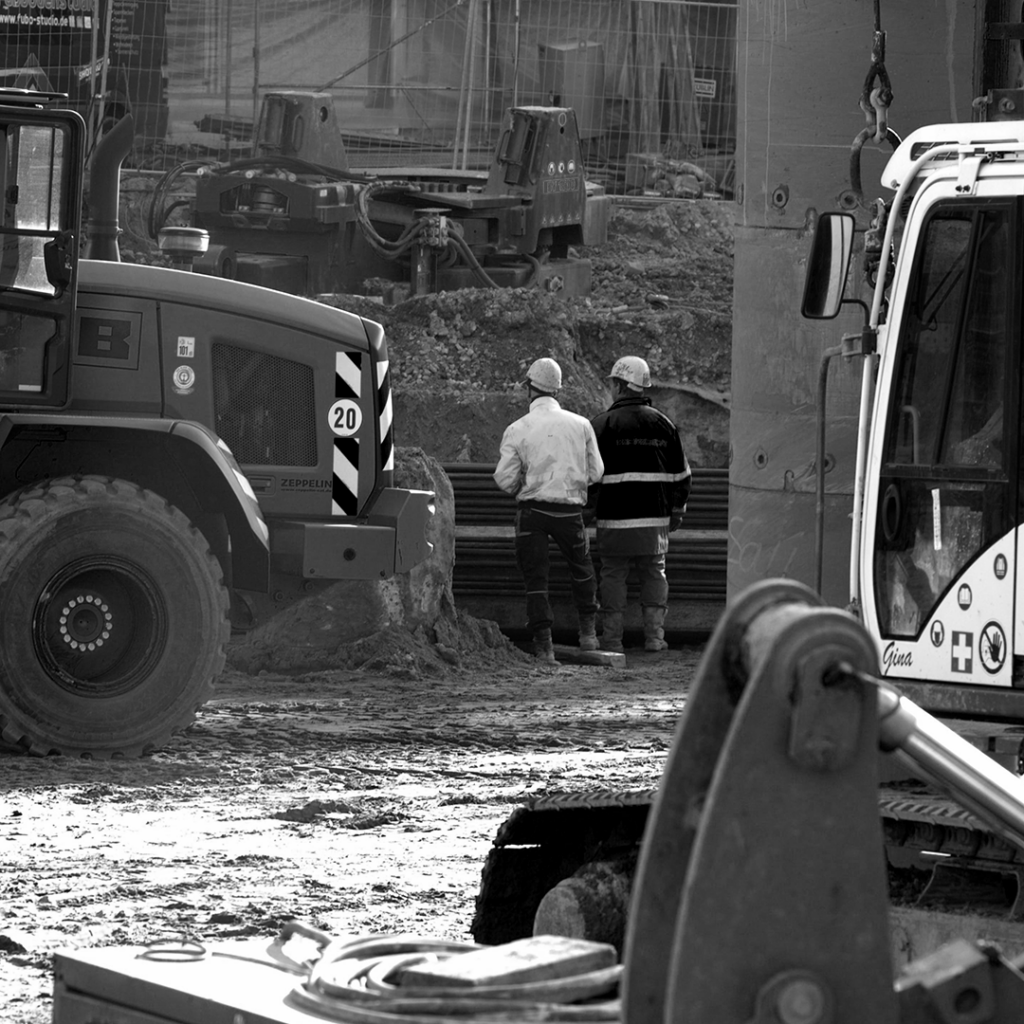
A vertically integrated firm maintains its own in-house fleet of heavy machinery. When your project transitions from excavation to framing, the equipment is mobilized immediately. There are no lease negotiations, no scheduling bottlenecks, and zero external rental markups added to your project quote.

The Bottom Line

 Traditional construction asks the client to bear the financial burden of a fragmented industry’s inefficiencies. Vertical integration eliminates those friction points entirely, turning your commercial build or community development into a controlled, predictable, and financially secure execution.

dizajnox

Dizajnox handles both residential and commercial projects, guiding clients from the initial pre-construction feasibility and space planning to the final polished space.